


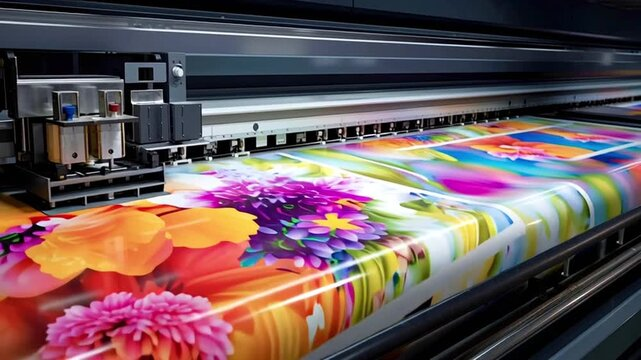
If structural design gives a package its skeleton, color gives it a soul. Yet, translating a specific hue from a glowing designer monitor to a physical substrate is an act of industrial alchemy. A bright crimson seen on an RGB screen cannot always be reproduced by standard cyan, magenta, yellow, and black (CMYK) inks, leading to the eternal frustration of mismatched brand assets.
Mastering color management across offset, digital, and spot-color systems is the hidden science that separates amateur print jobs from world-class visual branding.
The CMYK vs. RGB Divide
The fundamental challenge of pressroom color reproduction lies in the difference between additive and subtractive color models:
- RGB (Red, Green, Blue): Screens emit light directly. By combining red, green, and blue light at varying intensities, monitors can display millions of vibrant shades.
- CMYK (Cyan, Magenta, Yellow, Key/Black): Physical inks absorb and reflect ambient light. When layered on paper, these four process colors subtract brightness from white paper to create an image.
Because the CMYK color gamut is smaller than the RGB spectrum, converting digital files for print requires sophisticated color profiling. Press operators use International Color Consortium (ICC) profiles and RIP software to remap out-of-gamut colors gracefully, ensuring that skin tones, gradients, and shadows look natural rather than muddy or oversaturated.
The Precision of Spot Colors and Pantone
When brand consistency is paramount—think of the unmistakable red of a Coca-Cola can or the specific blue of Tiffany and Co.—standard four-color CMYK processing isn’t always precise enough. Variations in humidity, paper absorbency, and press calibration can cause CMYK formulas to drift slightly between print runs.
This is where standardized spot-color systems like Pantone come in. Instead of mixing dots of cyan, magenta, yellow, and black on the paper, a spot color uses a pre-mixed, custom-blended ink formulated to an exact recipe.
Printing with spot colors guarantees absolute consistency across different materials, whether you are stamping a logo onto an uncoated business card, a glossy shopping bag, or a corrugated shipping carton.
Spectral Analysis and Closed-Loop Calibration
Modern pressrooms have replaced guesswork with spectrophotometers—devices that measure the light reflected off a printed sheet in real time.
During a high-speed run, automated sensors compare the actual output against digital target values, making microscopic adjustments to ink keys on the fly. This closed-loop color control eliminates waste, slashes make-ready times, and ensures that the ten-thousandth impression matches the first.